|
|
| |
Facilities |
|
|
|
| |
Our laboratories at Lehigh University have the premier in situ and operando molecular characterization tools in the world employing various optical methods of Raman, FT-IR and UV-Vis-NIR DRS spectroscopies, for investigating various catalytic materials including nanoscale metal oxides. The fundamental goal of these facilities is to establish the relationship of molecular structure, reactivity, and selectivity that are the basis for the molecular engineering of nanoscale metal oxide catalysts for applications in many fields such as environmental, energy and petrochemicals.
Additionally, we have hosted several symposiums at Lehigh Univesity about our advanced surface characterization capabilities. For symposium information click here.
|
 |
|
|
|
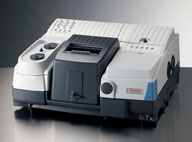
The Thermo Nicolet 8700 FT-IR spectrometer has resolution capabilities up to 0.125 wavenumbers and collection times in the microseconds. Several reaction chambers/cells are used with this equipment:
1. Harrick Praying Mantis attachment (model DRA-2) and reaction chamber
2. Harrick Horizon ATR Unit
3. Harrick FastIR ATR with Harrick temperature controlled demountable liquid cell |
|
| |
|
|
 |
|
|
|
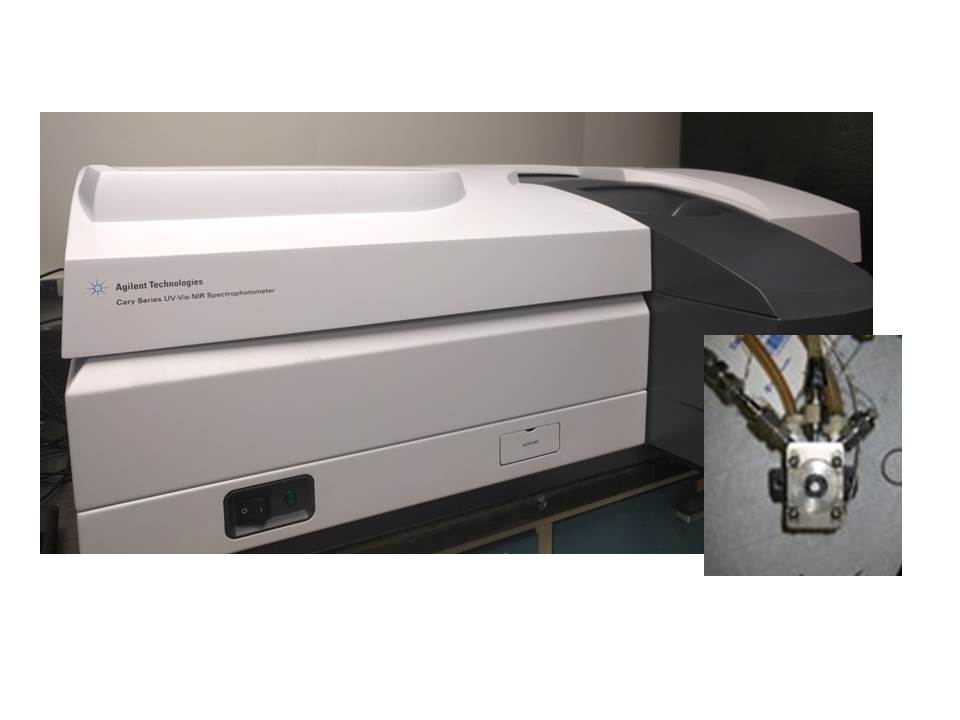
The Agilent Cary Series 5000 UV-Vis-NIR spectrophotometer with the integration sphere diffuse reflectance attachment, allows the determination of electronic structures of catalytic active sites including nano domains of varying size under various reaction condition (reducing and oxidizing gas environments, at temperatures up to 773K). |
|
| |
|
|
 |
|
|
|
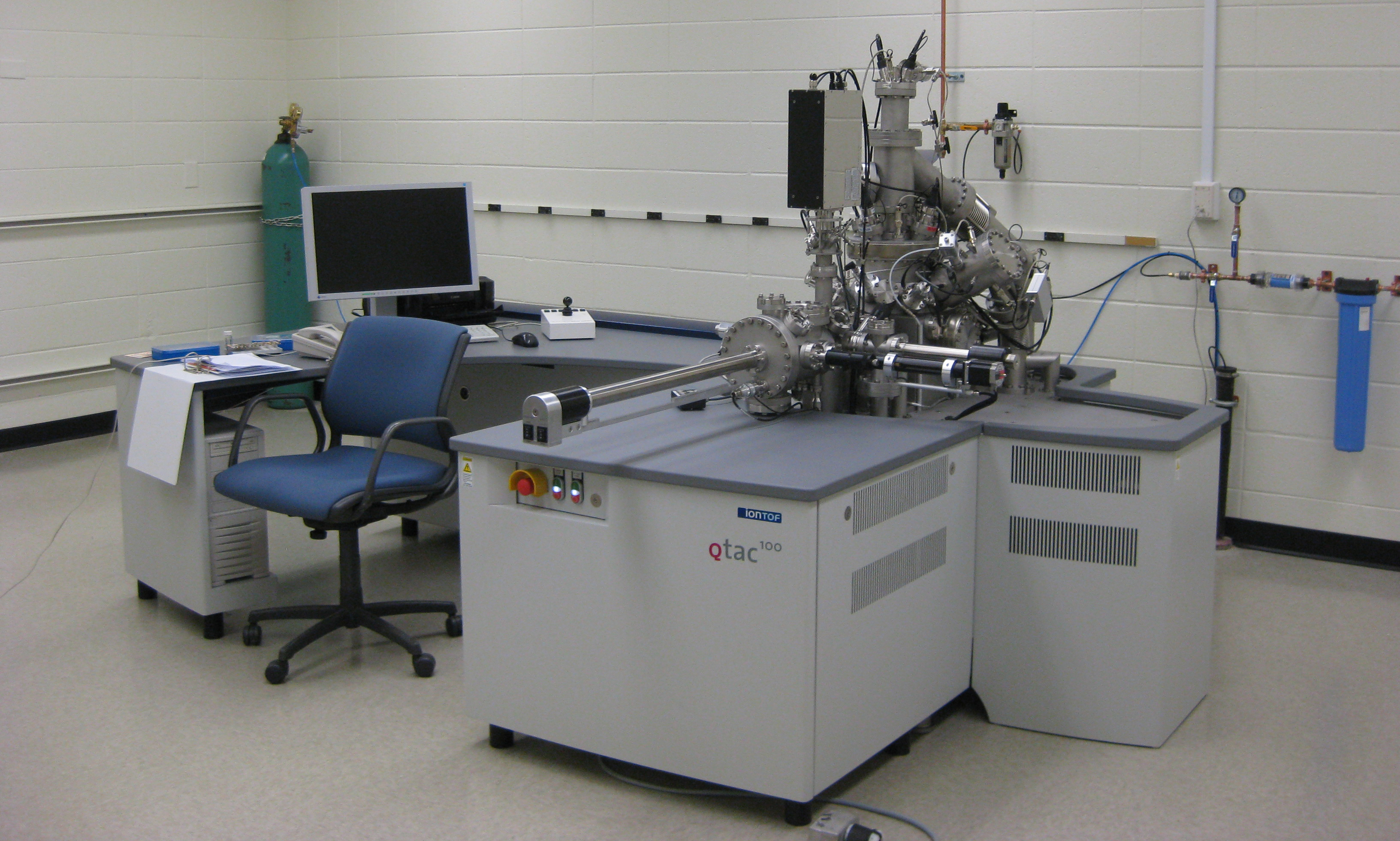
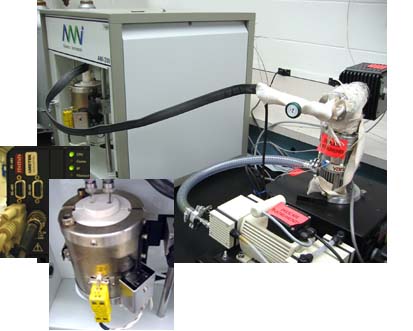
The AMI-100, and AMI-200 units equipped with the DM-200 mass spectrometer provides information on true surface kinetic parameters, active site density, acid/basic/redox site distribution, surface elemental composition, and surface active site oxidation states. |
|
| |
|
|
 |
|
|
|
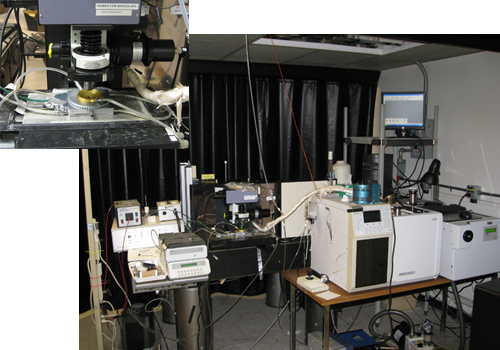
Spectroscopic characterization of catalysts under realistic reaction conditions with simultaneous real-time online analysis of reaction products. |
|
| |
|
|
|
The Horiba-Jobin Yvon LabRam HR Raman system also incorporates IR (SenseIR) and UV-Vis spectroscopy. Gaseous products flow from the reactor cell to an online mass spectrometer (Varian, 1200L quadrulpole). Simultaneous Raman/IR/UV-Vis spectra and mass spec readings provide the ultimate set of data, revealing the structure-activity relationship of the catalyst. |
|
|
|
|