
Office of Technology Transfer - Start the Process
We help connect Lehigh's cutting-edge technologies and researchers with industry partners, investors, and entrepreneurs to bring innovative solutions to real-world problems. Through your research and technology transfer, Lehigh can share innovations throughout the world for the benefit of the public and in the service of society’s well-being.
Annoucements
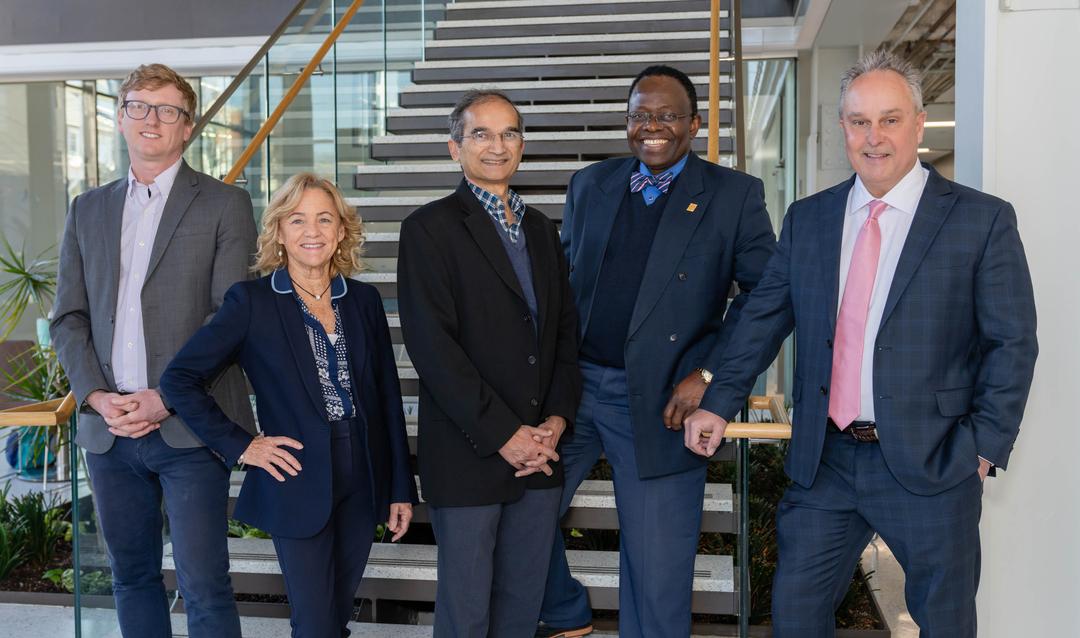
NSF Awards $6M to Lehigh to Speed Up Translation of Research Into Actual Use
The new Accelerating Research Translation (ART) program addresses the gap between academic research and practical solutions for society’s complex problems. The National Science Foundation has awarded Lehigh University $6 million to increase the translation of scientific discoveries by faculty, graduate students and postdoctoral researchers into prototypes, products and programs that will benefit society. Read more.
National Academy of Inventors (NAI)
Lehigh University is proud to be a member of the National Academy of Inventors (NAI), a non-profit organization dedicated to recognizing, encouraging and supporting academic inventors. Founded in 2010, the NAI is comprimised of more than 4,000 individual inventors and over 250 institutions worlwide. As a member, Lehigh Univeristy is recognized for its commitment to innovation, research and development, and intellectual property. With access to resources and support from the NAI, Lehigh University faculty, staff and students are enabled to pursue their inventive ideas with greater confidence and success. Learn more.
Faculty in the News
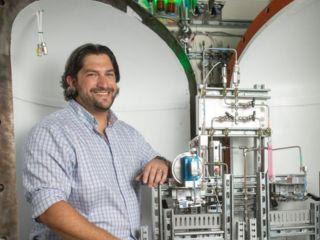
Professor Siddha Pimputkar (MSE) and his team are developing a novel approach to growing cubic boron nitride, a super hard material that holds tremendous potential as a semiconductor. In this podcast episode, he explains the promise of cubic boron nitride, the historical roadblocks to growing it, and how his method could potentially revolutionize the electronics and energy industries. Listen Now.

Arup SenGupta, a chemical engineer, and his colleagues developed a new absorbent that has three times the carbon capture capacity than current DAC systems. This material could be the turning point for making commercial and widespread carbon capture technology a reality, writes The Daily Beast. "So this new material and process overcomes the so-called barrier in regard to ultra-low concentration of [carbon dioxide] in the atmosphere," SenGupta said. "The capacity is even higher." This work is featured in outlets across the U.S. and internationally, such as BBC and Inverse.
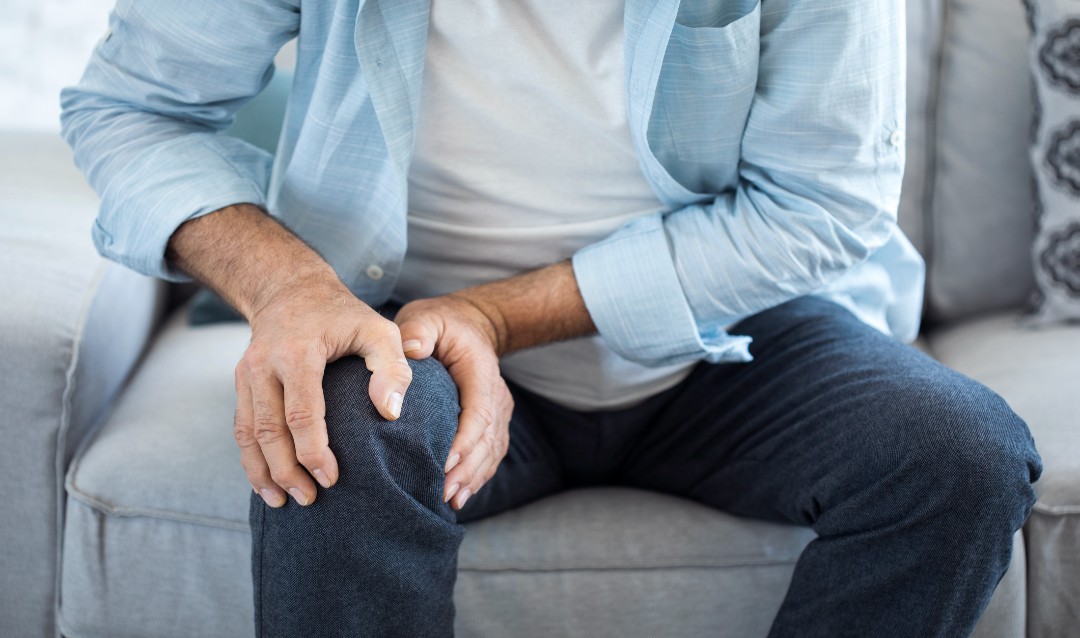
Nearly 70% of adults over 65 are affected by osteoarthritis and early intervention is key to maintaining mobility and improving quality of life, says Lesley Chow, associate professor of bioengineering and materials science and engineering. But currently, early stage interventions are not effective at regenerating cartilage and delaying or preventing the need for joint replacements. By taking a biomaterials-based approach, Chow hopes to change this. She and Dr. Gregory Carolan at St. Luke’s University Health Network received a National Institutes of Health grant to engineer biomaterials that promote cartilage tissue regeneration to prevent the onset of osteoarthritis.