
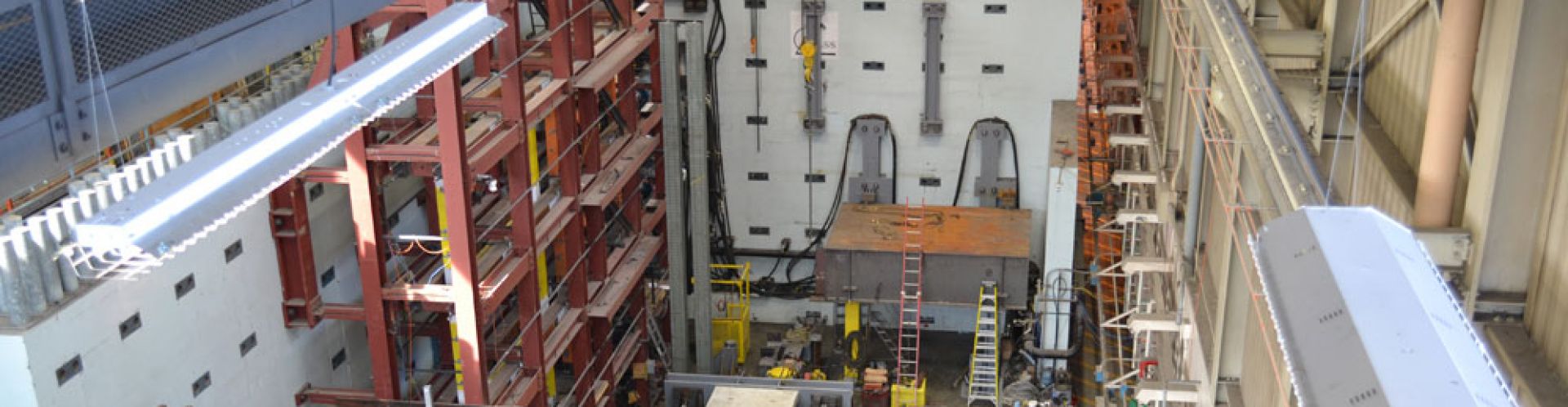



Welcome to the Department of Civil and Environmental Engineering (CEE) at Lehigh University, part of the P.C. Rossin College of Engineering and Applied Science.
Lehigh's storied civil engineering programs are recognized globally for expertise in structural, environmental, geotechnical and water resource engineering. We encourage you to browse our website, visit individual faculty pages, or contact us to learn more about our dynamic research and graduate and undergraduate educational programs. | READ MORE >>
Departmental Notices
- Upcoming Graduate School Roundtables: April 2 at 9am (US Eastern) with registration required.
- MEng in Structural Engineering program specific Roundtables: April 11 at noon (US Eastern) with registration required.
- Our Graduate Coordinator is available for weekly Q&A sessions. Contact Julie DeMotte (jud200@lehigh.edu) to attend.
Department News
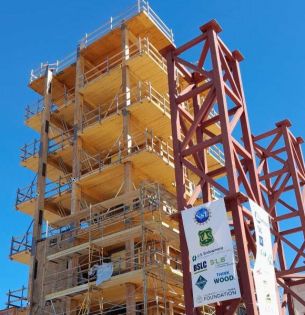
Turning to timber for innovation in earthquake-resilient structures
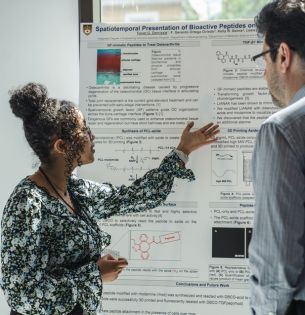
Undergraduate research takes the spotlight on April 19


Energy and environment problem solver to speak at I-CPIE seminar
 Structural engineering studies the design, analysis, and assessment of buildings and infrastructure systems. Its scope spans many scales, from material constituents (e.g., aggregate and matrix in concrete), to structural components (e.g., beams and columns), all the way to entire structures (e.g., buildings, bridges, transmission towers), and systems of structures (e.g., bridge portfolios, power distribution lines). Structural engineering applies continuum mechanics, numerical analysis, signal processing, operational research and other discipline to advance the design of the built environment, as well as its reliability, disaster resilience, and sustainability. Learn more
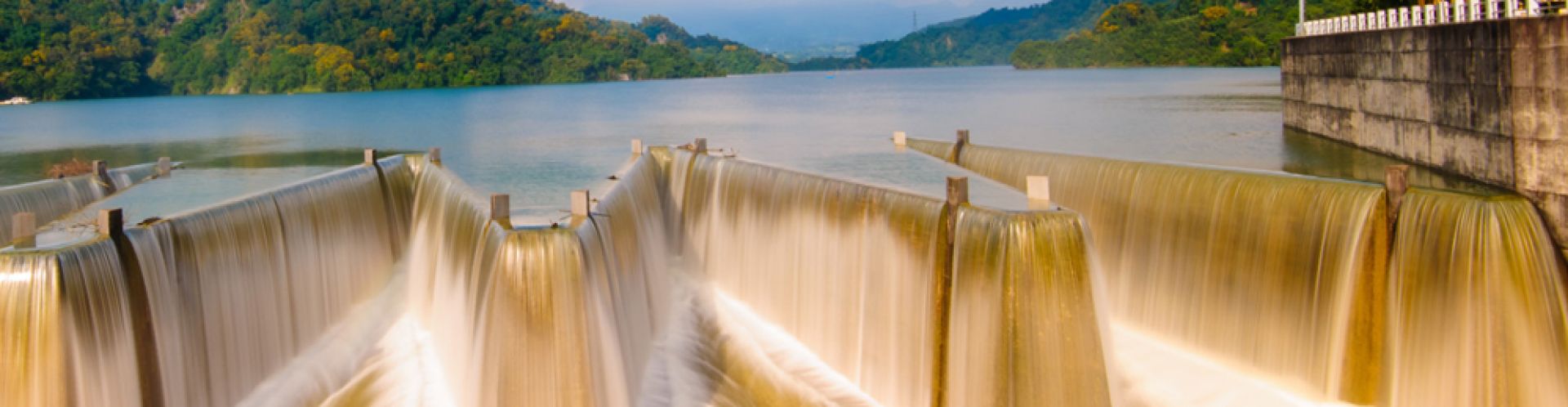
 Water resources engineering studies the hydrologic cycle and uses different quantitative methods, such as field measurement, laboratory experiment, and numerical modeling, to identify the harmonic balance between human water uses and natural ecosystem conservation. Applications include the management of the surface and groundwater water supply, the design of urban storm-sewer systems, flood and drought forecasting, reservoir operation, the water-energy-food nexus, and sediment management. Learn more
 Geotechnical engineering studies the mechanical characteristics of soils to predict their behavior under various conditions. Geotechnical engineering is crucial to design the foundations of structures, as well as to design structures that interact directly with soil (such as retention walls) or even structures made entirely of soil (such as embankment dams). Geotechnical engineers also study how to enhance the mechanical properties of soils. Learn more
 Environmental engineering applies the principles of chemistry, physics, biology, epidemiology, and earth sciences to protect public health and the environment. Environmental Engineers design systems that provide safe drinking water, treat wastewater, remediate pollution, manage solid waste, recycle materials, and control air quality. Environmental engineering specialties can focus on environmental biotechnology, ion exchange technologies, preventing waterborne disease, sustainable water treatment, wastewater treatment technologies, environmental remediation, air pollution control, and pollution prevention. Learn more

