What We Do
Fellowship Advising
The Office of Fellowship Advising helps Lehigh students and recent graduates apply for nationally competitive scholarships and fellowships.

Global Partnerships and Strategic Initiatives
GPSI coordinates Lehigh’s international activities and external institutions that want to engage with the university.
Global Citizenship Center
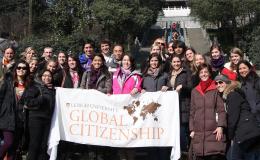
The Global Citizenship Center for Pedagogies of Self, Other and World Well-being works to educate toward a stance of care and concern for others and the planet and in support of sustained action toward creating a more peaceful, just and sustainable world.
Global Union
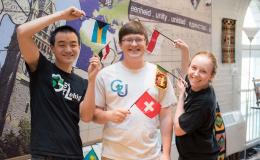
This umbrella organization of 40+ student clubs with an international or cultural focus provides campus programming and leadership development.

Iacocca Institute
The Iacocca Institute creates transformative, hands-on leadership experiences that develop, challenge and empower the next generation of global leaders.

Iacocca International Internship Program
Mostly funded summer internships send students to work or do research overseas, combining real-world professional experience and cultural immersion.
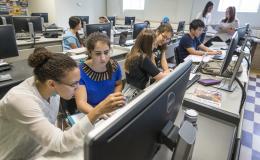
International Center for Academic and Professional English
ICAPE provides non-credit and credit courses, workshops and tutoring for multilingual speakers of English.
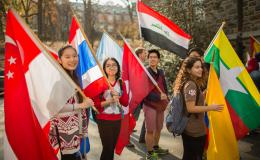
International Students and Scholars
OISS offers immigration advising and support services to Lehigh’s 1,100+ international students.

Study Abroad
Thanks to 200+ programs in nearly 70 countries, ranging from three weeks up to an academic year, 40 percent of Lehigh undergrads have an international experience.
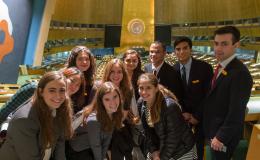
United Nations Partnership
Lehigh has Non-Governmental Organization (NGO) status with the UN, giving our students rare access to the world’s largest intergovernmental organization.